
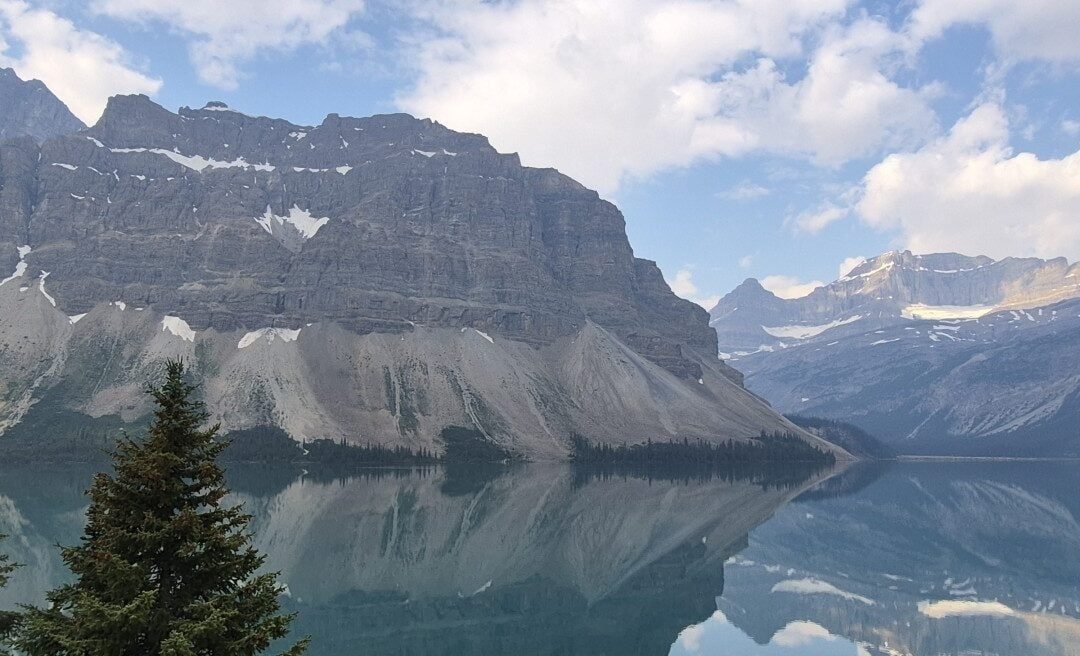
Icefields Parkway from Banff:
Our One-Day Road Trip to Athabasca Falls
Could we drive the Icefields Parkway from Banff to Athabasca Falls and back in one day—and still enjoy the stops along the way? We knew it would be an ambitious day, but flexible planning, an early start, and a clear list of must-see and optional stops made it one of the most memorable days of our Banff vacation.
Planning an Icefields Parkway Day Trip from Banff
We planned our Banff vacation with plenty of room to pivot. We stayed four nights in Banff and arranged our itinerary so we could swap entire days or move parts of the day if weather, energy, or changing conditions made that necessary.
The biggest part of that flexibility was scheduling our Lake Louise and Moraine Lake tour for sunset on Day 6. That left the daytime open and gave us another window for the Icefields Parkway if Day 5 did not cooperate. We confirmed the tour two days in advance, and because it could be cancelled for a full refund until 24 hours before departure, we still had options.
The weather cooperated well enough that we never needed to switch full days, although we made smaller adjustments along the way. Our Lake Louise and Moraine Lake operator later cancelled the sunset departure and moved us to an earlier tour—a Day 6 story—but Day 5 remained our Icefields Parkway day.
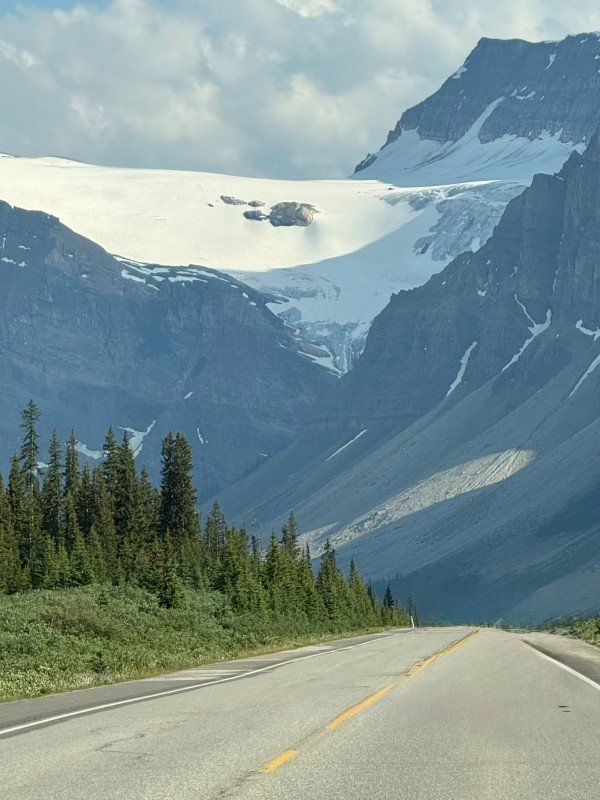
The Icefields Parkway, or Highway 93, stretches approximately 232 kilometers (144 miles) between Lake Louise in Banff National Park and Jasper in Jasper National Park. We would not travel its entire length to Jasper, but our round trip from Banff to Athabasca Falls would still make for a long and very full day.
Our Must-See Stops—and the Stops We Could Skip
I researched this drive extensively through travel sites and Banff-focused Facebook groups. Because of my back and mobility issues, we wanted to keep individual walks under two miles round trip, with approximately one mile being even better.
Earlier in the trip, the 3.2-mile Emerald Lake loop had been our longest single walk. The Sulphur Mountain Boardwalk—with approximately 368 stairs each way—was also a challenge, although we managed it better than expected by stopping a few times to sit and enjoy the views. Those experiences helped us set realistic priorities for the Icefields Parkway.
Our must-see list included Bow Lake, Peyto Lake, Mistaya Canyon, the Columbia Icefield, and Athabasca Falls. Herbert Lake, Tangle Creek Falls, Sunwapta Falls, Waterfowl Lakes, glacier overlooks, and other roadside viewpoints were optional. The goal was not to check every stop off a list. It was to enjoy the day without turning it into a race.
We had already ruled out the longer walk to Lower Sunwapta Falls. The route is not especially long, but its elevation changes and sections of packed dirt and exposed roots did not fit what I wanted to attempt that day. We still hoped to see the easily reached Upper Falls if time and weather allowed.
| Our Day-Trip Strategy | What Worked |
|---|---|
| Must-see stops | Bow Lake, Peyto Lake, Mistaya Canyon, Columbia Icefield, and Athabasca Falls |
| Optional stops | Herbert Lake, Sunwapta Falls, Waterfowl Lakes, and roadside overlooks |
| Food and fuel | Carry a cooler and refuel at Saskatchewan River Crossing |
| Navigation | Download maps before leaving and use vehicle GPS if available |
| Decision rule | Skip an optional stop whenever weather, time, or energy says to move on |
Download Your Maps Before Leaving Banff
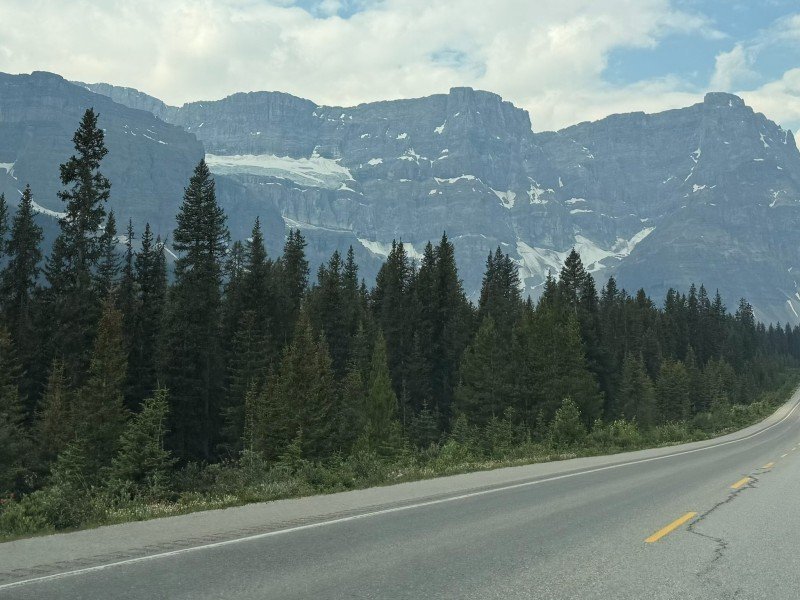
Cell service is limited or nonexistent through much of the Icefields Parkway, so this is not a drive where you should depend on live phone navigation. We downloaded Google Maps to our phones before leaving Banff.
Our rental car also had excellent built-in GPS. It occasionally struggled with an exact hotel entrance, but it was dependable for getting us from one major point to another. Along the Icefields Parkway, the car’s GPS became our primary navigation tool.
Herbert Lake: A Quiet First Stop
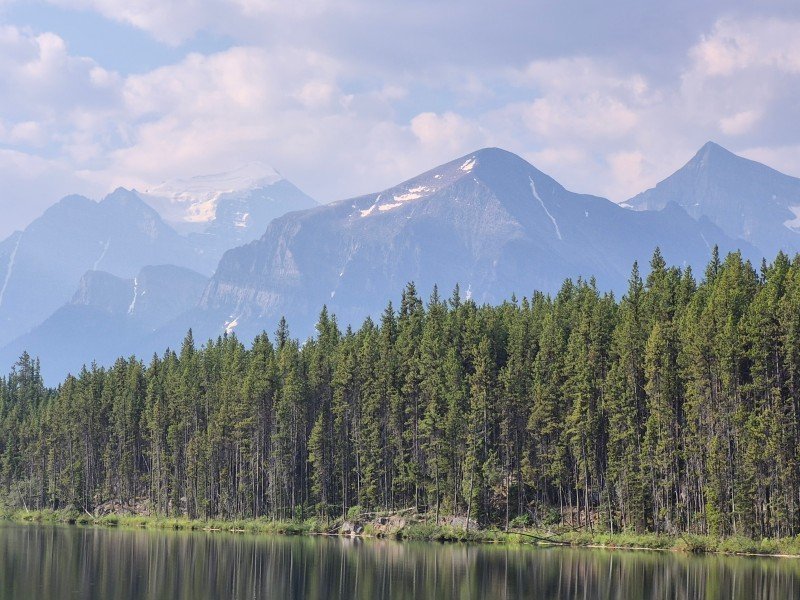
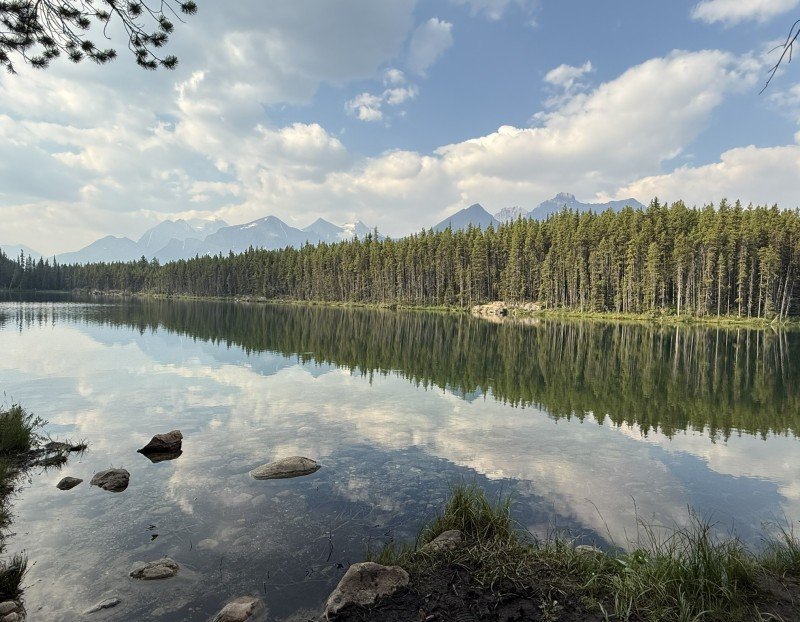
Herbert Lake was not one of our must-see stops, but it was well marked, easy to access, and located only about 7 kilometers (4.3 miles) beyond the Lake Louise turnoff. I had read that its calm early-morning water can reflect the surrounding mountains and trees, so it seemed worth a quick look.
We arrived at approximately 9:00 a.m., after a 40-minute drive from our Banff hotel, and found plenty of parking. The lake delivered exactly what we had hoped for: still water, beautiful reflections, and almost complete silence. It was a quick stop, but the calm setting made it a wonderful beginning to the day.
Bow Lake: One of Our Favorite Views of the Trip
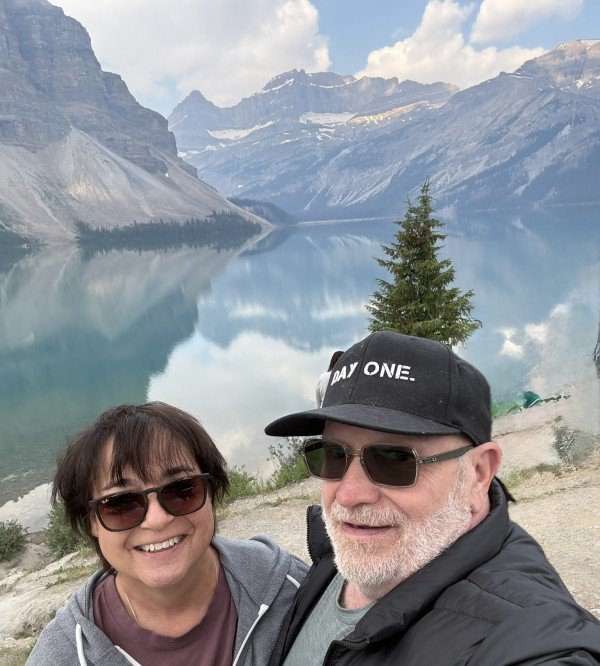
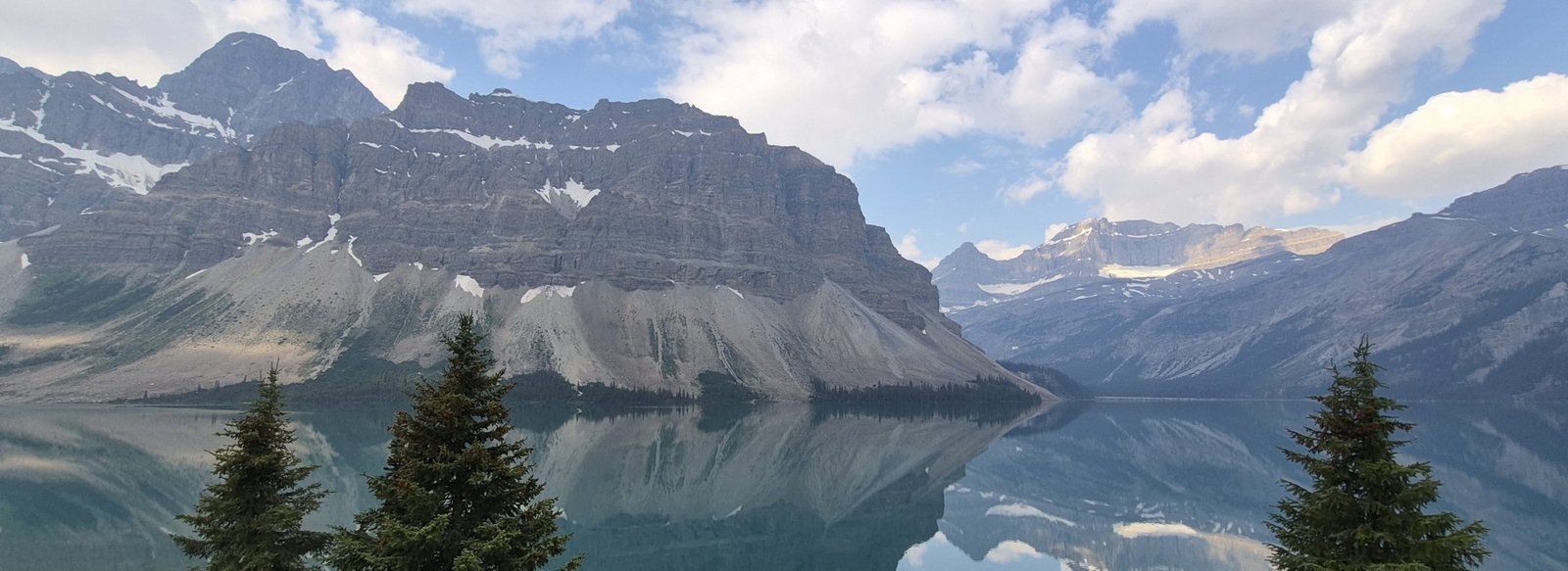
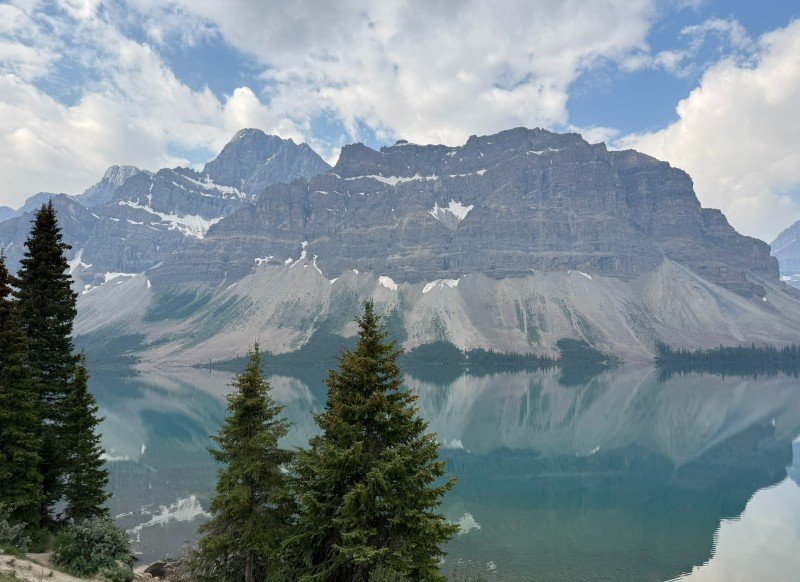
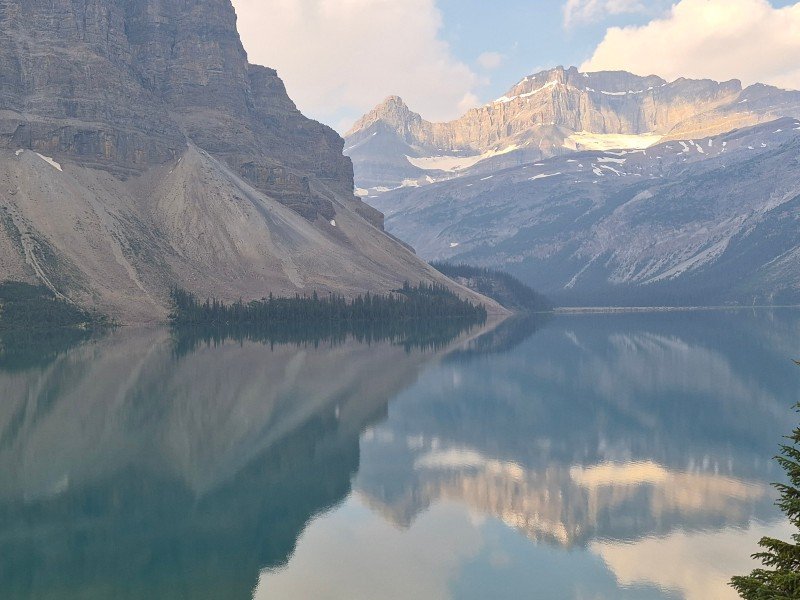
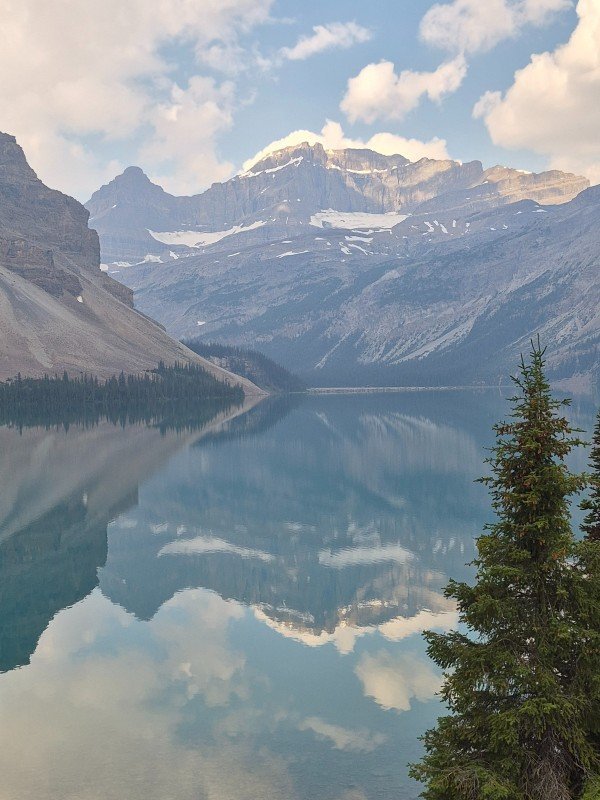
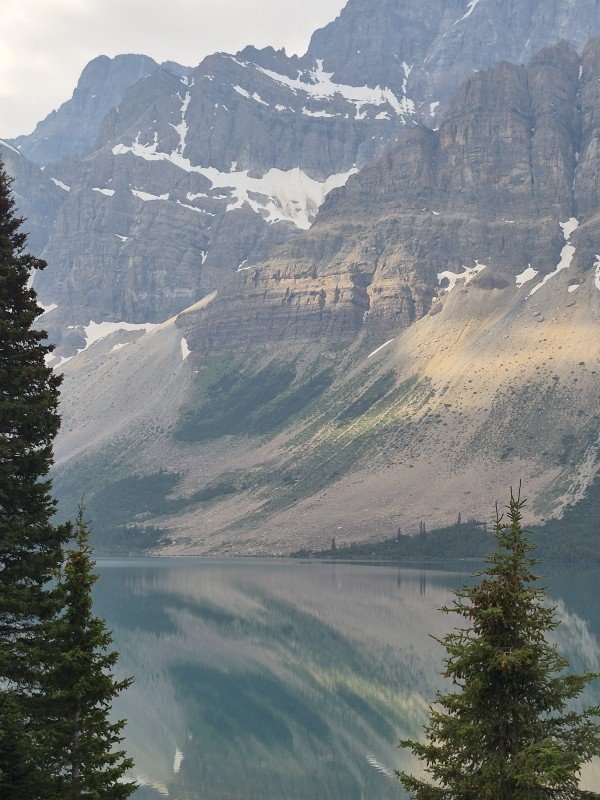
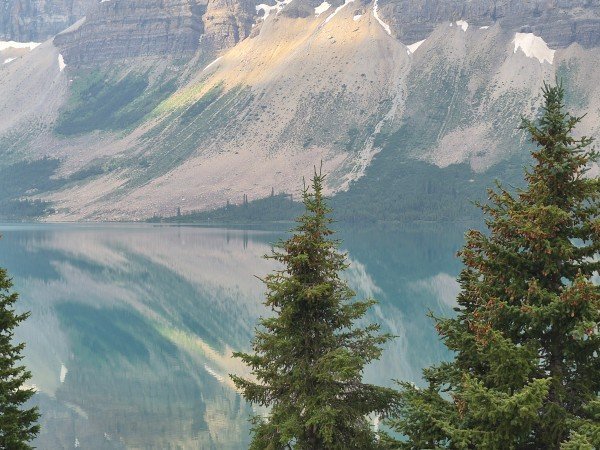
Bow Lake was next, approximately 20 miles north of Herbert Lake. A simple roadside parking area provides easy access to the shoreline and views toward Crowfoot Mountain and Bow Glacier.
A traveler making a quick road-trip stop could spend 20 to 45 minutes here. More time would allow for a relaxed walk along the relatively flat lakeshore or a picnic beside the water. We arrived at approximately 9:45 a.m., before the area became crowded.
Looking back through our photographs, Bow Lake remains one of the standout stops of our entire trip. The mountain reflections were exceptional, and the combination of clear water, surrounding peaks, and early-morning quiet made it difficult to leave.
Peyto Lake: Easier Parking Than We Expected
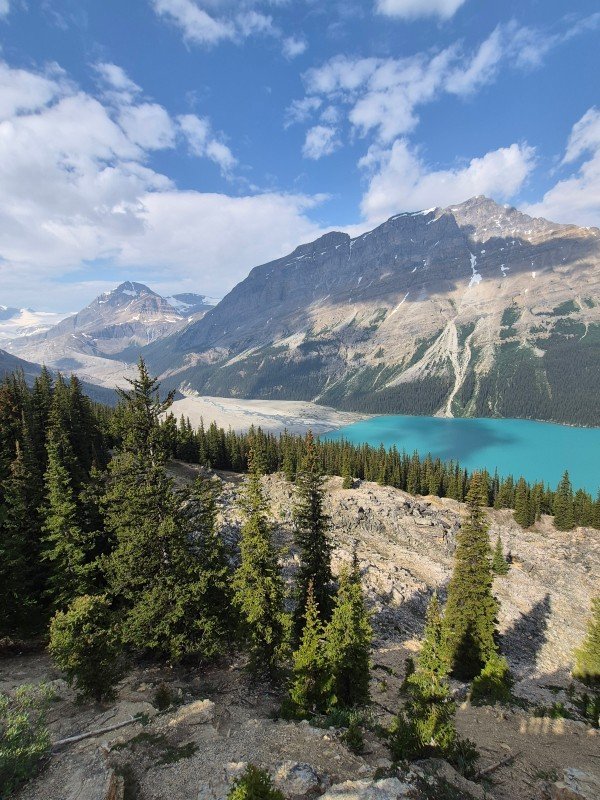
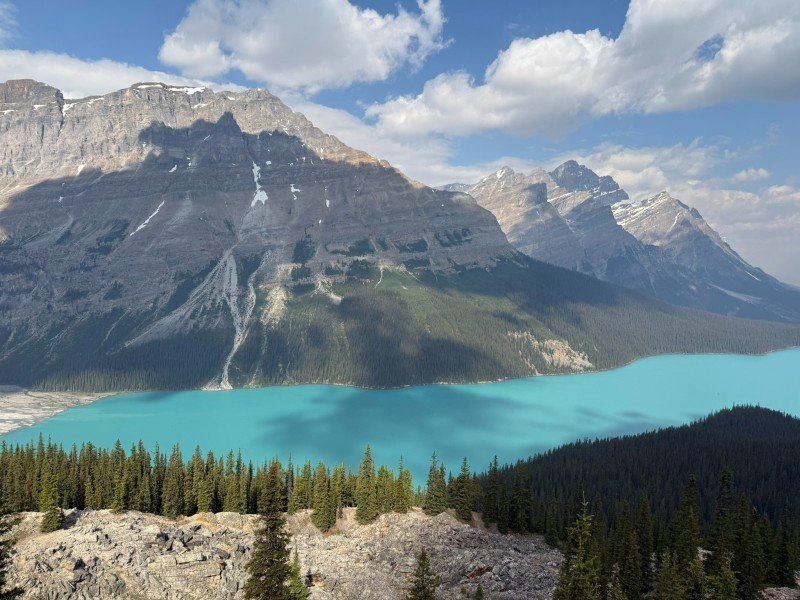
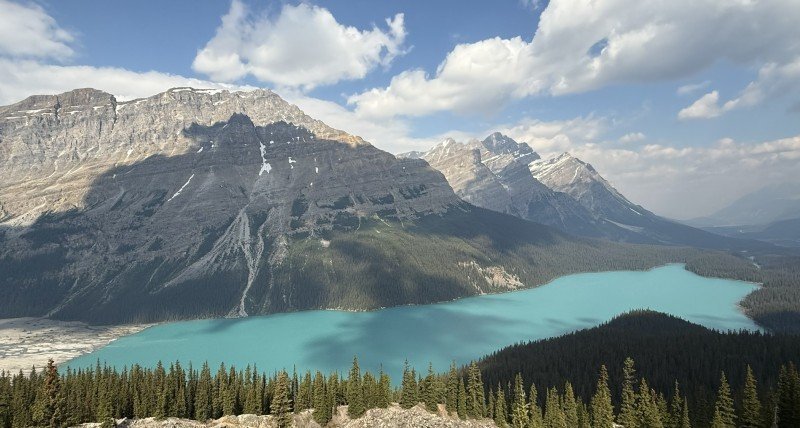
Peyto Lake was one of the stops whose timing concerned us. The walk from the parking area to the main viewing platform is short and paved—approximately 0.8 kilometer round trip—but parking can be difficult during the busiest part of the day.
Our plan was simple: check the lot on the northbound drive. If it were full, we would continue toward Athabasca Falls and try again after 5:00 p.m. on the return trip. That would cost us some time later, but it was better than circling a packed parking lot.
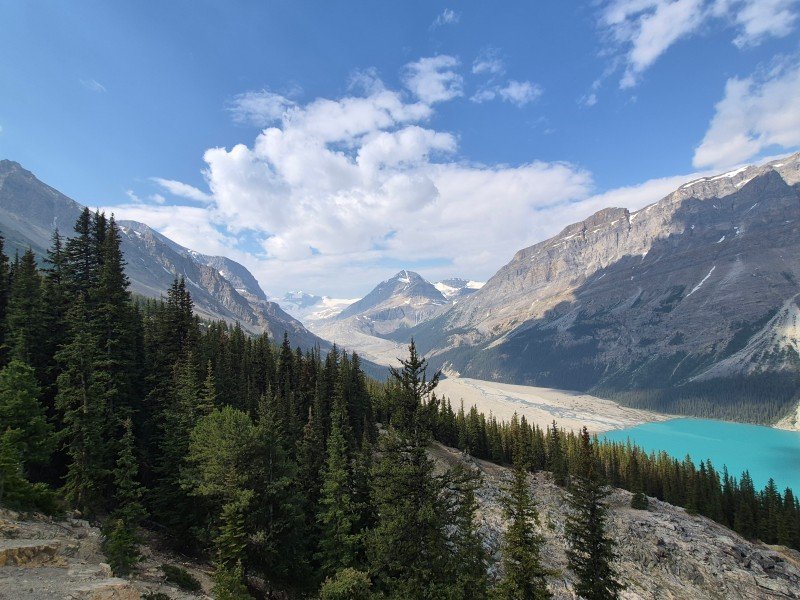
We were pleasantly surprised to arrive at approximately 10:30 a.m. and find the lot only about half full. The walk to the viewing platform was quick and manageable, and we immediately understood why Peyto Lake attracts so many visitors.
We had partly cloudy skies, creating patches of light and shadow across the turquoise lake and the surrounding mountains. Instead of detracting from the view, the moving shadows gave the landscape even more dimension. We stayed approximately 30 minutes simply taking it all in. If we return to Banff, Peyto Lake is a stop I would happily make again.
Mistaya Canyon: Short Distance, Tougher Return
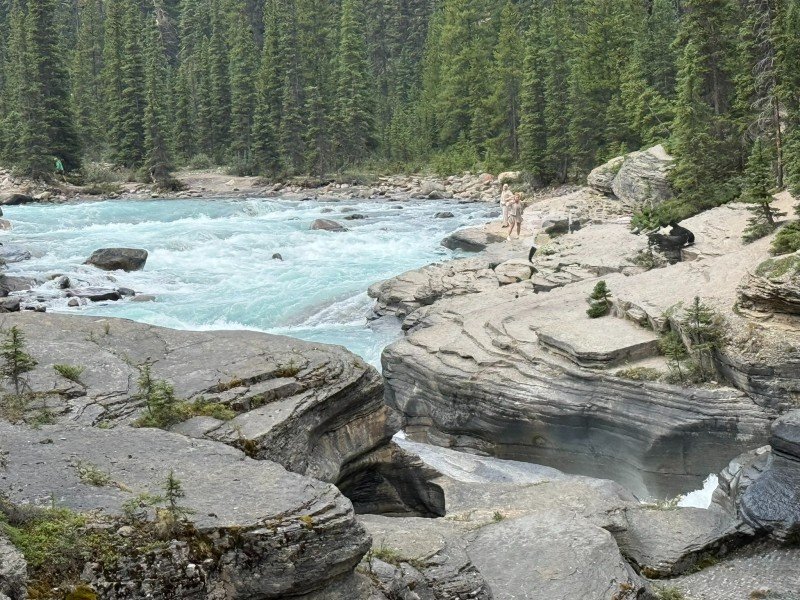
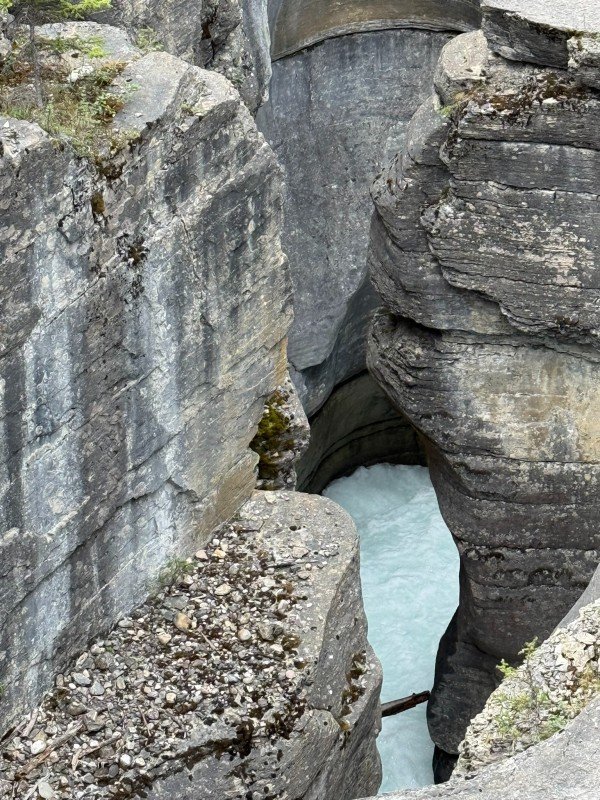
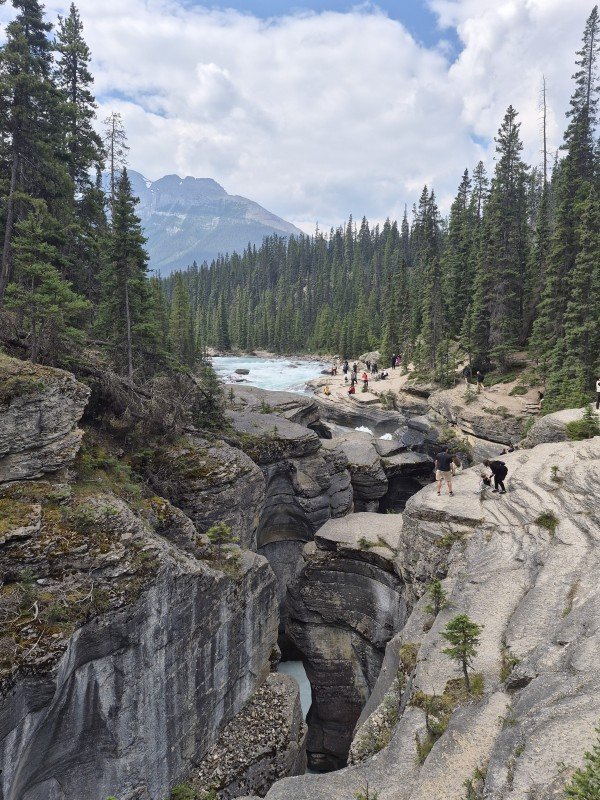
We reached the Mistaya Canyon parking area at approximately 11:45 a.m. The walk is often described as a short outing—roughly 0.7 mile (1.2 kilometers) round trip—but the uphill return deserves attention, especially for anyone with back, knee, or mobility concerns.
After visiting Johnston Canyon and Marble Canyon earlier in the trip, I was eager to see another narrow limestone gorge shaped by rushing water. Mistaya did not disappoint us. The Canadian Rockies may not have the deep sandstone slot canyons of the American Southwest, but their limestone and dolomite gorges are dramatic in a completely unique way.
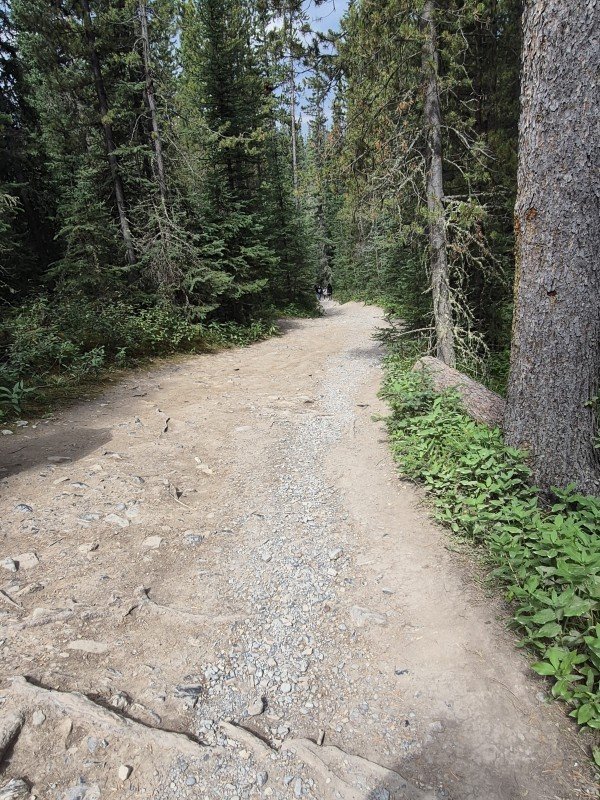
The walk down was manageable. The climb back to the parking area was more difficult for me, and I noticed other visitors working hard as well. My wife regularly walks for miles along Chicago’s lakefront and has no trouble. With her encouragement, I made it back, but I needed to move carefully through a few uneven sections.
For travelers with limited mobility, Mistaya Canyon is a good example of why distance alone does not tell the full story. The walk is short, but the grade and surface can make the return more demanding than expected.
Saskatchewan River Crossing: Bring Food and Expect Higher Prices
Our next planned stop was Saskatchewan River Crossing, where we intended to eat a picnic lunch and top off the gas tank. We had enough fuel to complete the day, but there are no other dependable fuel stops between this area and Athabasca Falls. We did not want to take chances.
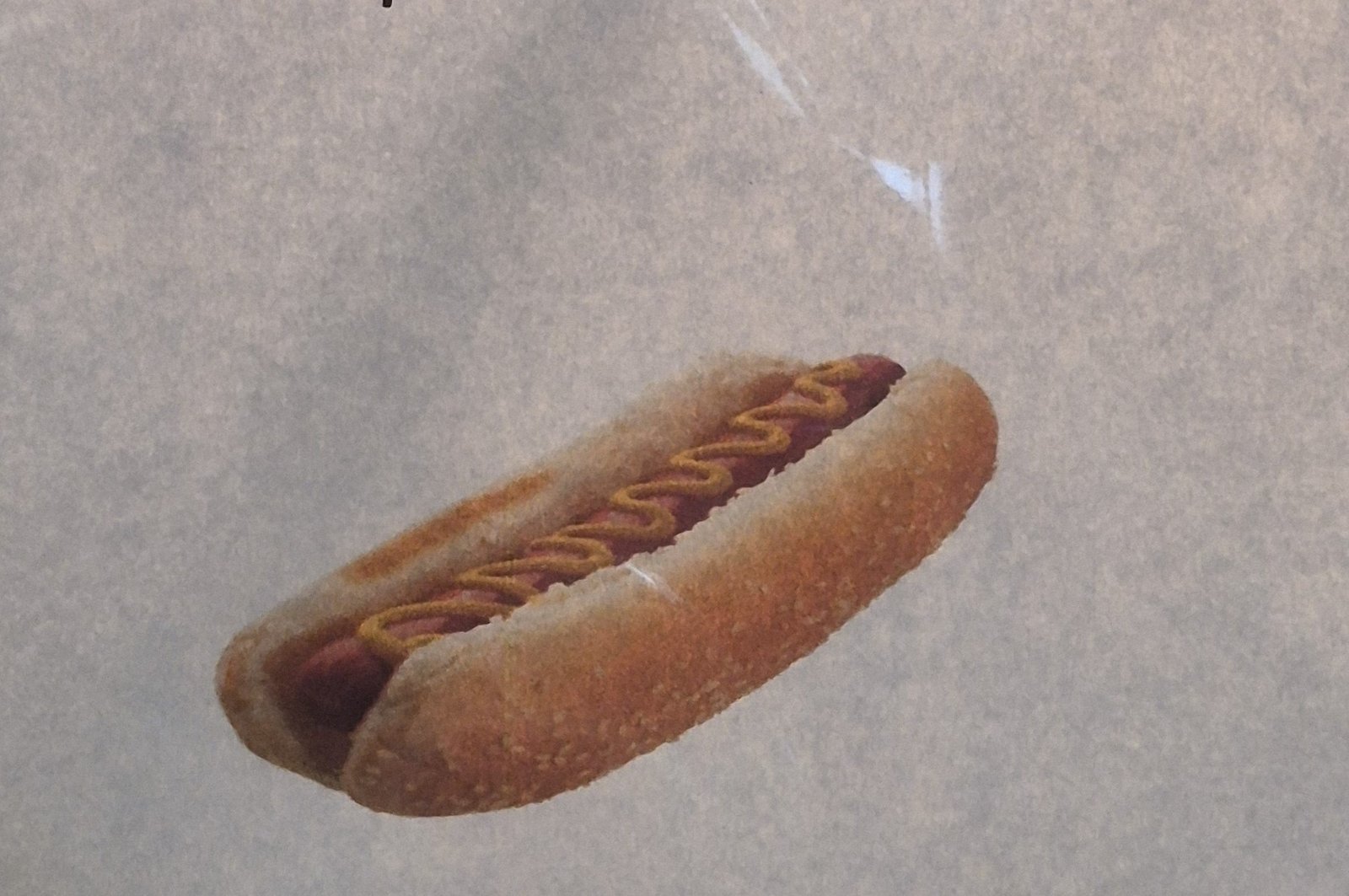
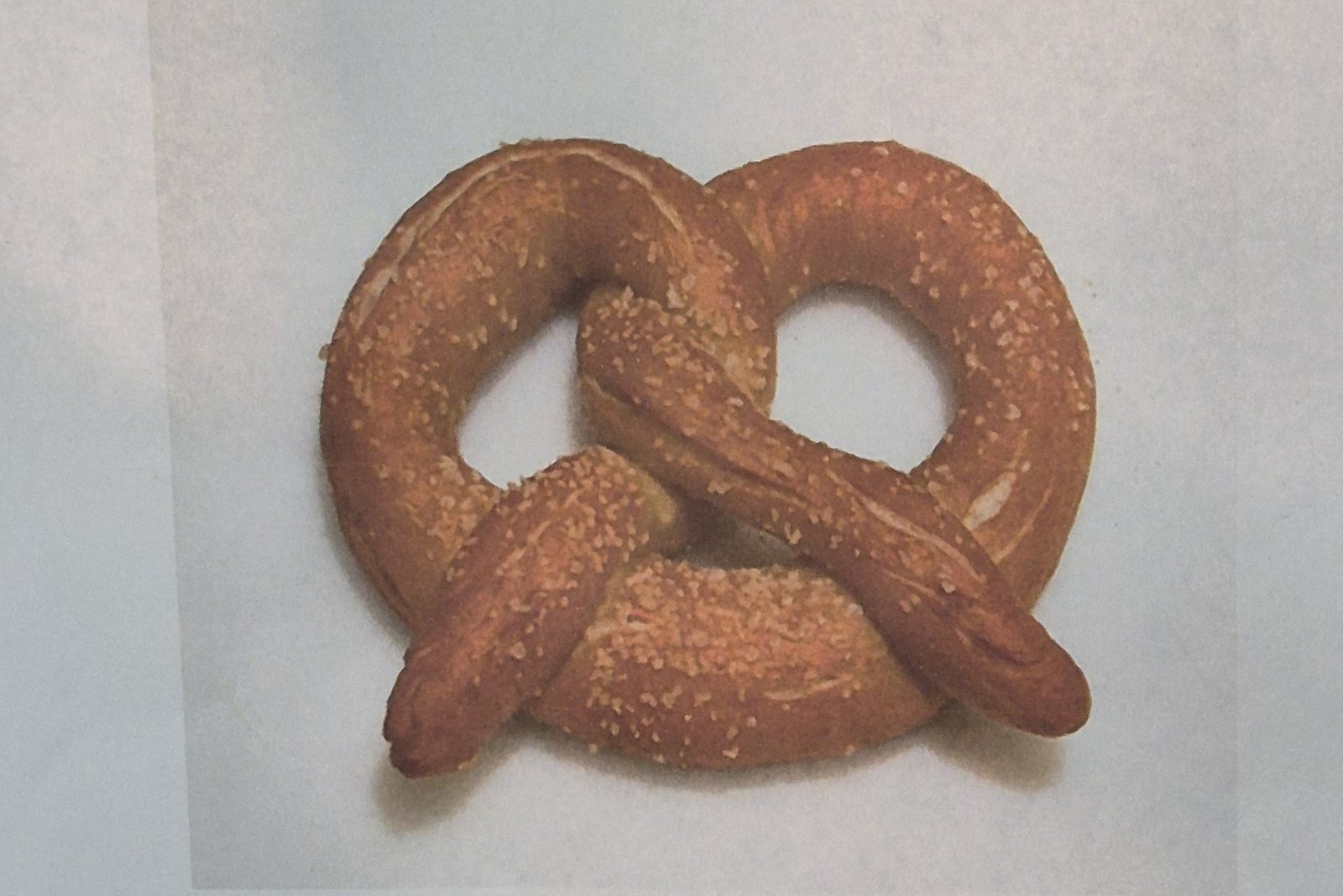
The parking lot was crowded, and outdoor seating was limited. We went inside to look around and quickly understood the warnings we had read about prices. Fuel was at least 25 percent more expensive than it had been in Banff. Hot dogs and pretzels were priced at $13.99 CAD each—the kind of pricing we expect at a U.S. airport.

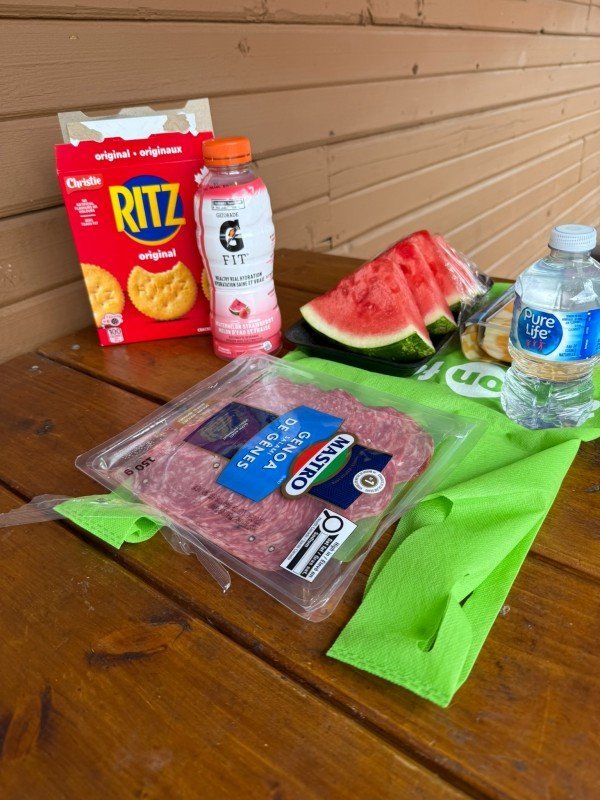
Fortunately, we had stocked a cooler during our earlier drive through Canmore. We had watermelon, water, salami, cheese, and crackers. Just as we were wondering where to eat, a couple stood up from one of only three small outdoor tables. My wife grabbed the table while I hurried back to the car for our cooler.
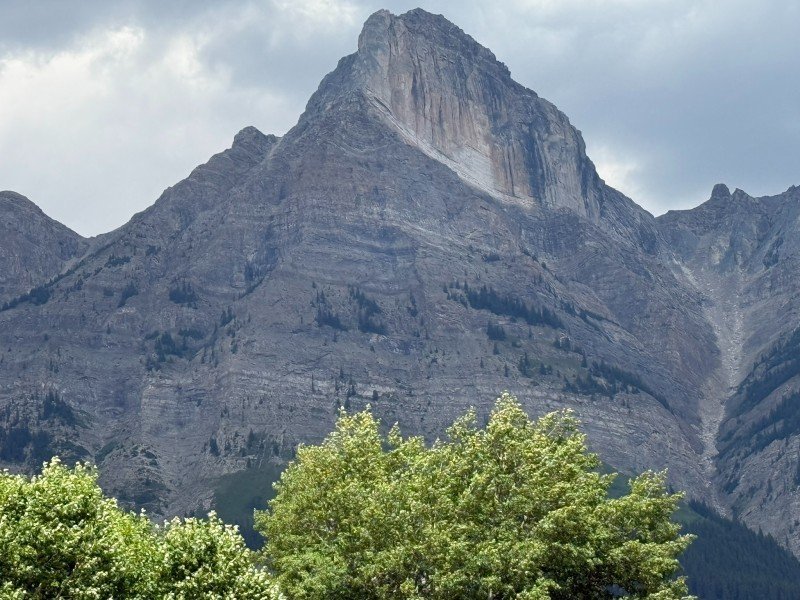
The picnic was simple, but the mountain views continued in every direction. Our advice is straightforward: bring food and water, and do not wait until Saskatchewan River Crossing to decide whether you need fuel.
Columbia Icefield: Glacier Views and a Fast Weather Change
After lunch, we continued approximately 40 minutes north toward the Columbia Icefield. We still had two must-see stops ahead: the Columbia Icefield and Athabasca Falls. Sunwapta Falls remained optional.
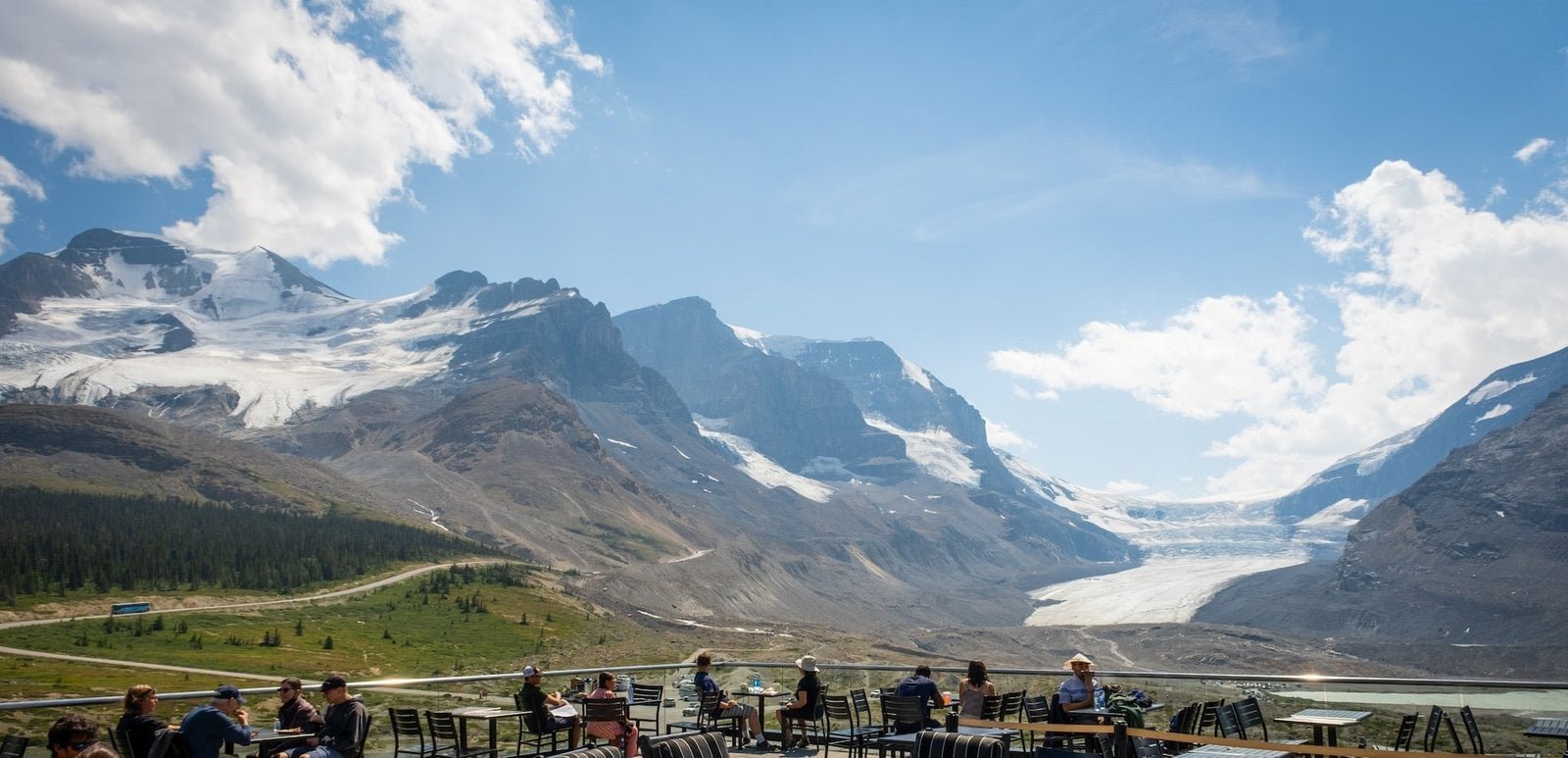
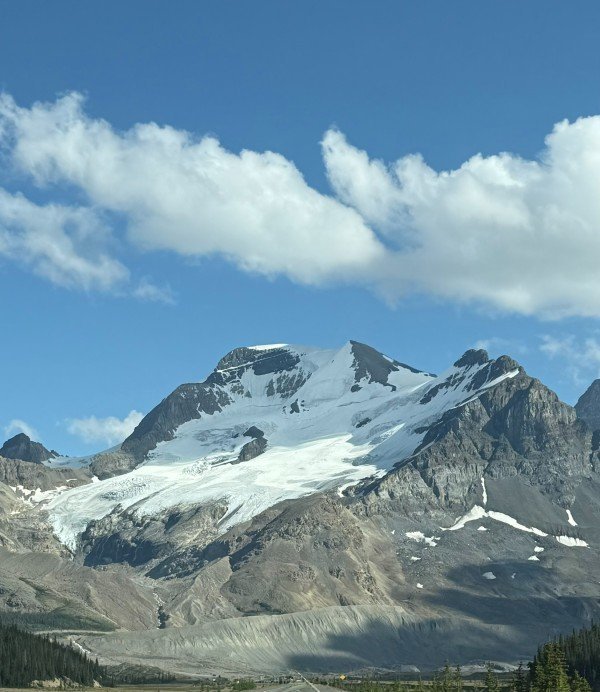
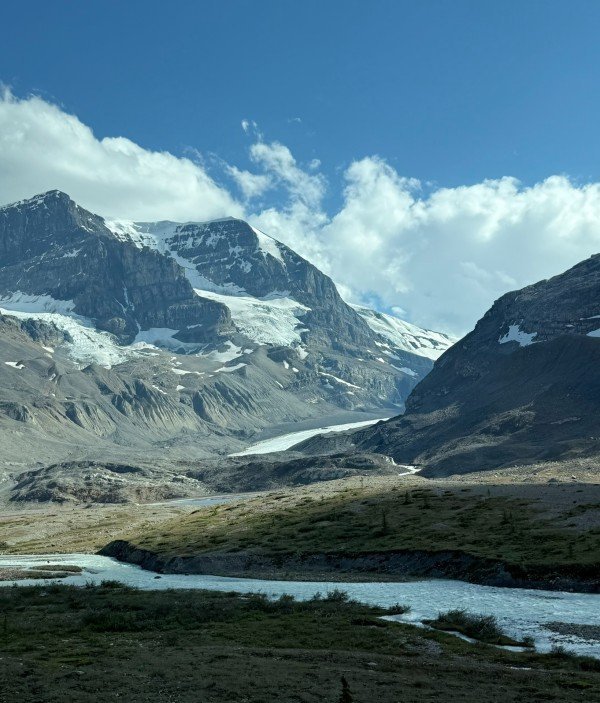
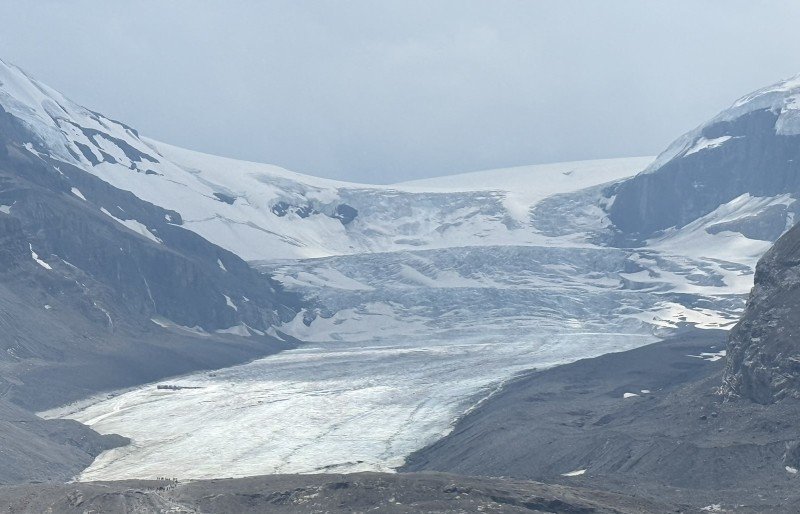
The Columbia Icefield straddles the Continental Divide and feeds several major glaciers. We planned to visit the Icefield Discovery Centre, learn more about the glaciers, and see whether we could park closer to the foot of the Athabasca Glacier.
The glacier-side parking area was packed, with vehicles blocking much of the available space, so we made a quick attempt and turned around before getting stuck in the congestion. Parking at the Discovery Centre was easier. Cars were coming and going, and we found a space only a few rows from the main staircase.
The main entrance is reached by approximately 75 stairs, while an accessible path without stairs is located to the left. We used the stairs on the way up and the gentler path on the way down.
The centre has food and drink options overlooking the Athabasca Glacier. We had hoped to get Starbucks, but the line wound through the building and out a far doorway, so we skipped it. Instead, we went to the outdoor balcony, sat down, and enjoyed the glacier view.
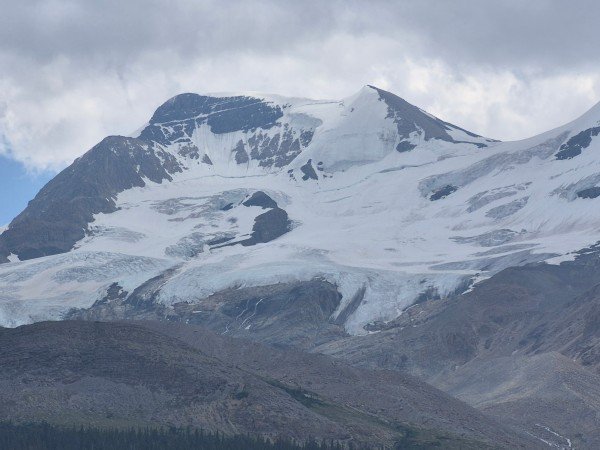
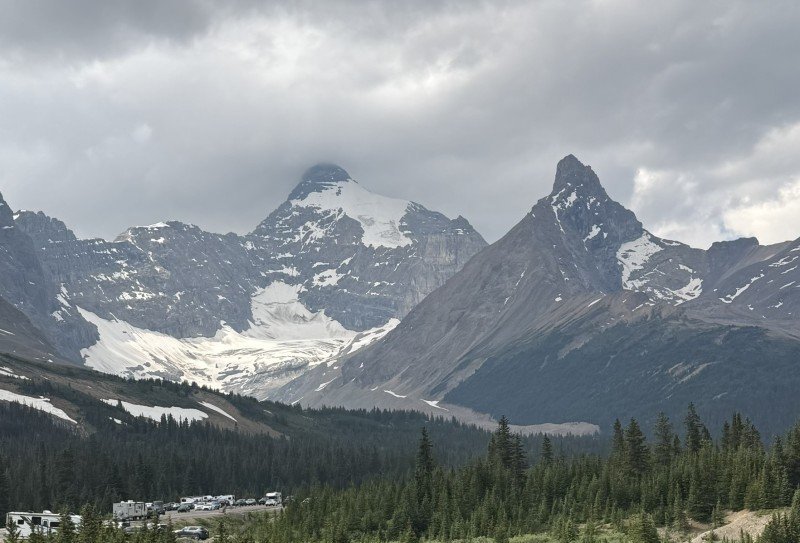
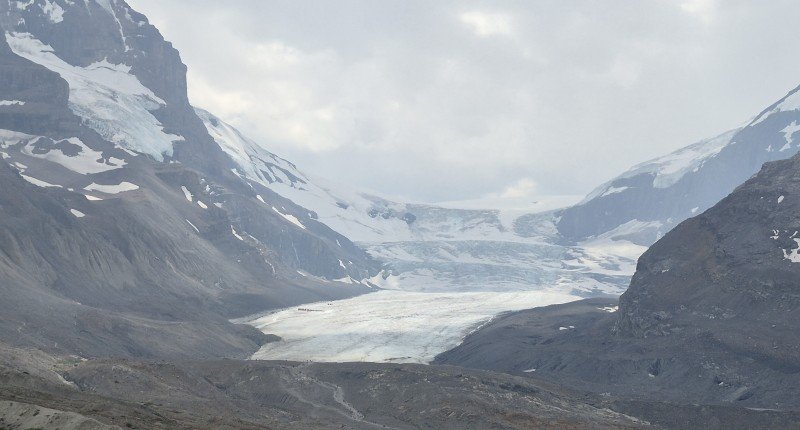
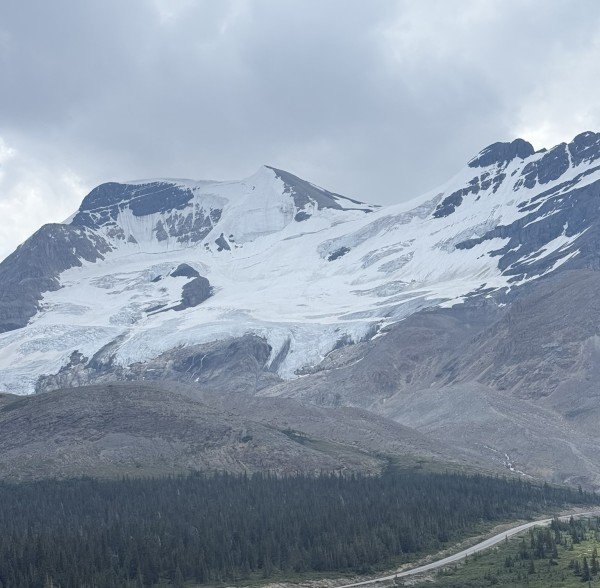
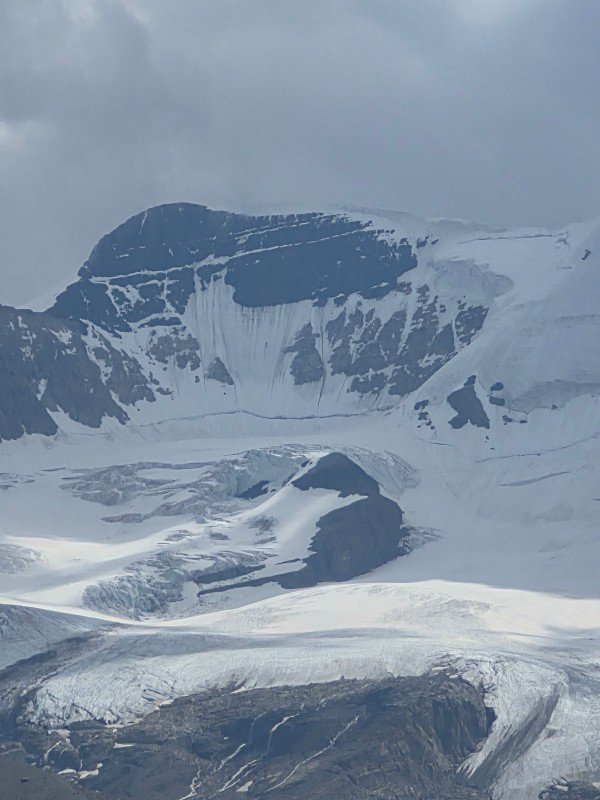
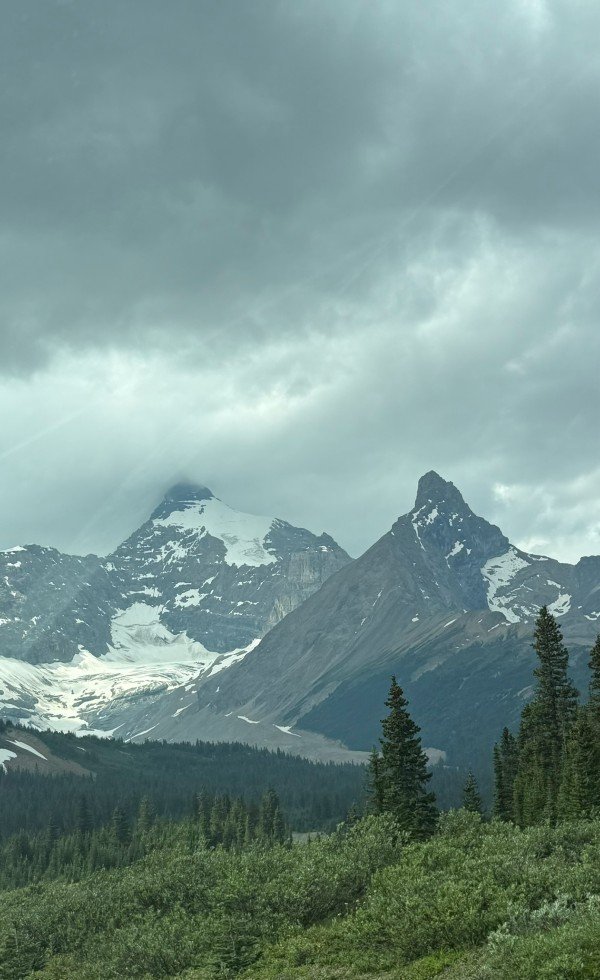
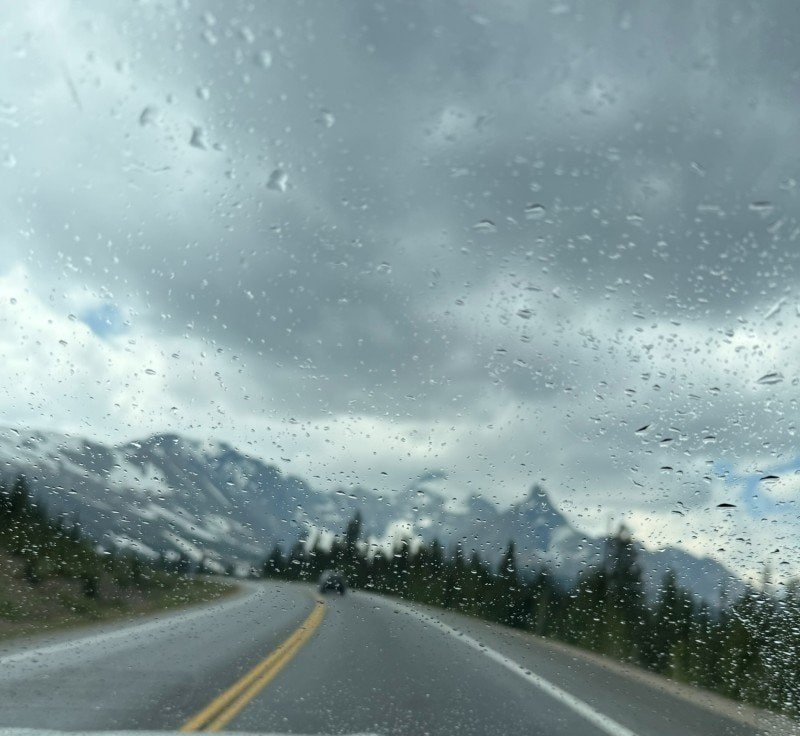
Then we heard thunder. Dark clouds were building to the north, and mountain weather can change very quickly. We left immediately. Rain began hitting our windshield before we had fully cleared the parking area.
Why We Skipped Sunwapta Falls
We had already passed the Weeping Wall approximately 15 minutes south of the Discovery Centre. It was beautiful, but we chose not to stop because we wanted to protect our time for Athabasca Falls.
The drive from the Discovery Centre toward Athabasca Falls was expected to take about an hour and a half. Because the storm appeared to be moving south while we were driving north, I hoped we would move through it quickly.
By the time we passed Sunwapta Falls, the rain had lightened, but our schedule was tightening. We decided to skip Sunwapta, enjoy Athabasca Falls without rushing, and then drive directly back to Banff for our 8:30 p.m. dinner reservation at The Bison.
This was exactly why we had divided the day into must-see and optional stops. Sunwapta would have been worthwhile, but trying to force it into the schedule would have reduced our time at the stop we most wanted to experience.
Athabasca Falls: The Powerful Finale to Our Northbound Drive
We parked at Athabasca Falls and reached our first viewpoint at approximately 4:20 p.m. We had left the Discovery Centre around 3:40 p.m., so the drive was much quicker than we had feared. Traffic had been light for the entire day.
We spent approximately 45 minutes exploring the viewpoints at Athabasca Falls. The power, sound, and sheer volume of water dwarfed the other waterfalls we had visited on the trip. The falls were not simply beautiful—they felt forceful and alive.
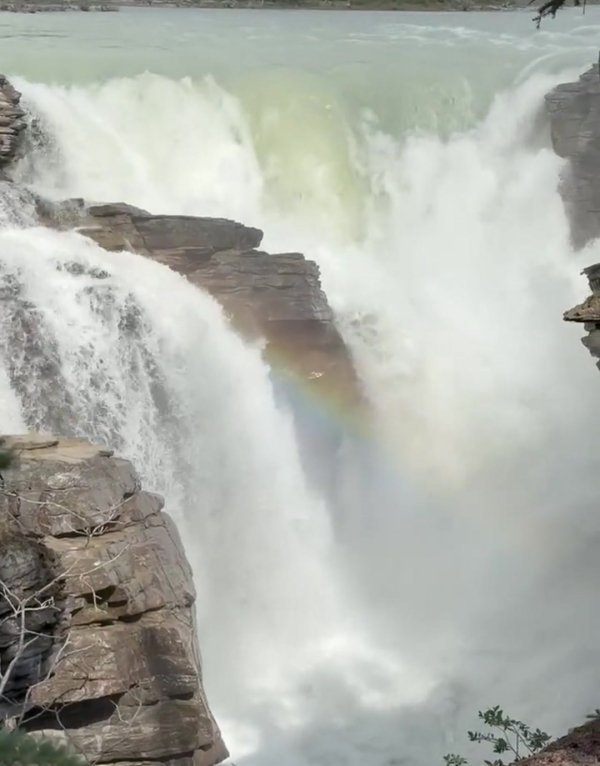
Athabasca Falls gave our northbound journey the finale it deserved. It remains one of the clearest and most treasured memories from our Banff vacation.
The Return Drive from Athabasca Falls to Banff
Google Maps estimated the nonstop return drive at three hours and 15 minutes. Rather than feeling tedious, the drive south was relaxed and revealed viewpoints we had not noticed while traveling north.
We made one brief stop at the Waterfowl Lakes overlook. Our research suggested it could be a good place to see birds, bears, and other wildlife. We did not see animals during our short visit, but Lower Waterfowl Lake sits directly beside the highway and offers an easy scenic stop without committing much time.
After a quick look at the lakes, we continued toward Banff and our 8:30 p.m. dinner reservation.
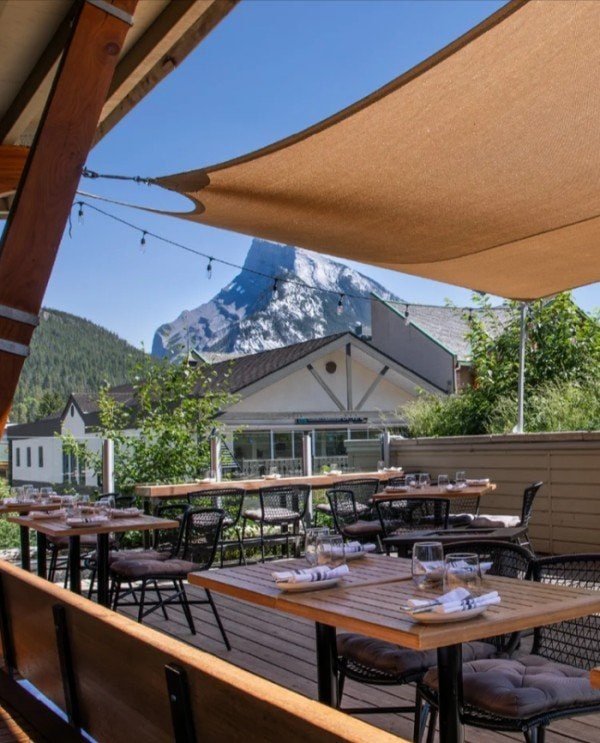
Dinner at The Bison in Banff
I am a dedicated beef eater, so I had been looking forward to our first real taste of Alberta beef. My wife and I often share meals. Our usual menu discussion eventually becomes, “What would you like to share tonight?” This dinner was no different.
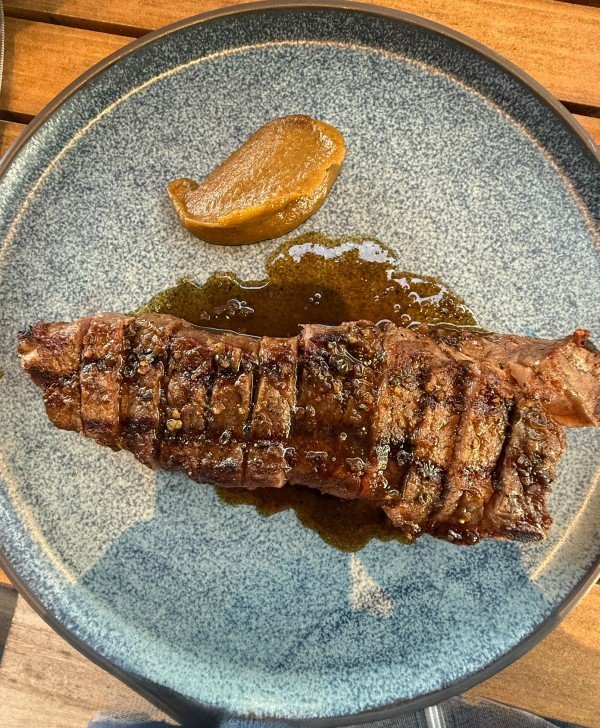
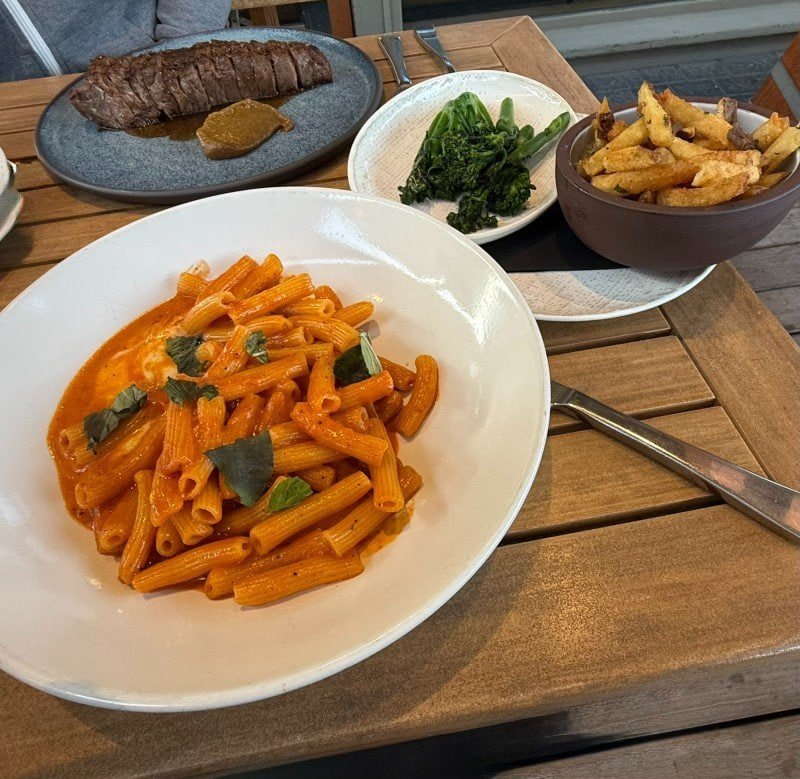
We ordered a prime sirloin strip with peppercorn and plum sauces, along with the spicy rigatoni. The steak was cooked properly to medium rare, but the beef itself did not match the prime Midwestern beef we regularly enjoy in Chicago. It had more gristle and exterior fat, with less of the subtle marbling we expected.
The sauces made a significant difference. The peppercorn sauce was phenomenal, and the plum sauce added a welcome contrast. Both of us dipped nearly every bite.
The spicy rigatoni was the stronger dish. The pasta was perfectly al dente, with the right balance of sauce and heat. Since our first trip to Italy in 2019, I have become increasingly interested in good pasta—both eating it and cooking it at home. Chicago has excellent Italian restaurants, and this rigatoni could stand proudly among them.
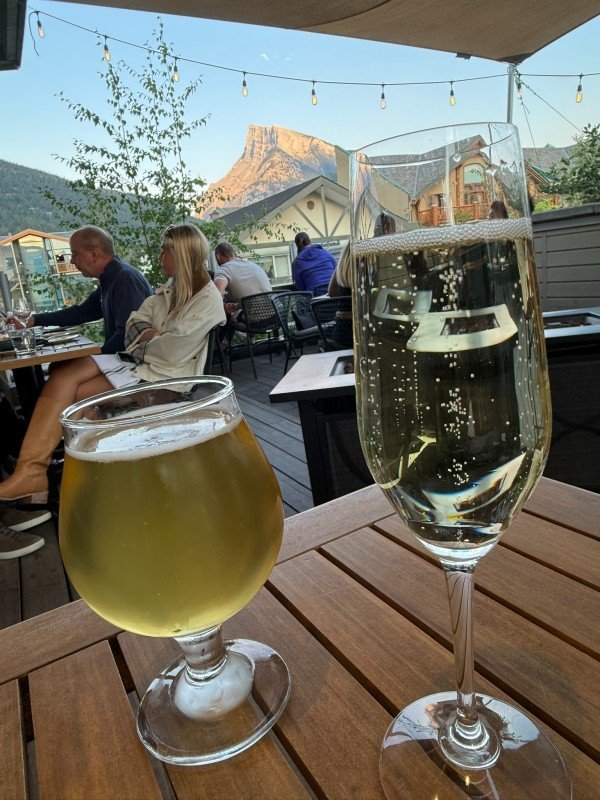
Our total for dinner and two drinks, including a 20 percent tip for outstanding service, was approximately $117 USD. Compared with what a similar meal would cost us in Chicago, we considered that very reasonable. You can see the current menu and reservation information on The Bison’s official website.
Can You Drive from Banff to Athabasca Falls and Back in One Day?
Yes—but only if you accept that you cannot do everything. Our day worked because we started early, identified our priorities, carried food and water, downloaded maps, refueled along the route, and treated optional stops as truly optional.
Travelers who want long hikes, a glacier excursion, extended meals, or every major waterfall would be better served by spending a night closer to Jasper. For us, however, the one-day round trip delivered exactly what we wanted: mirror-like lakes, a dramatic canyon, glacier views, changing mountain weather, a powerful waterfall, and hours of remarkable scenery between them.
What We Would Do Again
- Start early from Banff and take advantage of quieter morning stops.
- Keep Bow Lake, Peyto Lake, Mistaya Canyon, the Columbia Icefield, and Athabasca Falls as the priorities.
- Download maps and carry a charging cable or battery pack.
- Bring a cooler with lunch, snacks, and plenty of water.
- Refuel before the drive or at Saskatchewan River Crossing, even if the price is higher.
- Allow the weather, parking, and energy level to determine which optional stops make the final itinerary.
- Leave enough time to enjoy Athabasca Falls instead of treating it as a quick turnaround point.
Final Thoughts on Our Icefields Parkway Road Trip
Back at our hotel, we looked through the day’s photographs and talked about everything we had seen. For me, the Icefields Parkway belongs alongside the Road to Hana, the Lake Superior Circle Tour, and memorable mountain drives we have taken through Switzerland, Colorado, and Wyoming.
The famous stops justify the journey, but the road between them is part of the attraction. Mountains, glaciers, rivers, lakes, and shifting weather continuously changed the view through the windshield. Our Icefields Parkway day was long and required choices, but it became one of the defining experiences of our Banff trip.
Explore our Trip Planning Assistance, or read the earlier days of our journey: Day 1, Day 2, Day 3, and Day 4.