
How to Get Airline Upgrades Using Status, Strategy, and Credit Cards
Why complimentary upgrades are harder than ever — and what still works.

Article Guide
Airline upgrades are not as easy as they were years ago, but travelers can still improve comfort by understanding elite status, premium economy, transfer partners, gateway airports, companion benefits, and when points provide the best value.
Introduction
There was a time when airline upgrades felt almost routine for frequent business travelers. If you flew enough miles and held top-tier status, your odds of sitting in first class on domestic flights were surprisingly good.
That world has changed.
Today, elite status is more crowded, premium cabins are smaller, airlines aggressively sell discounted upgrades before departure, and co-branded credit cards have created far more elite members competing for the same seats.
Just look at the upgrade list on your next flight.
On many routes, especially those linking principal destinations, upgrade lists often feature a long waiting list of passengers. As a result, even individuals holding the highest status may not always secure an upgrade.
But that does not mean upgrades are dead.
Travelers who understand how airline loyalty programs work — and who combine status, timing, flexibility, and credit card strategy — can still dramatically improve their travel experience.
My History with Airline Status
Over the years, I have earned Lifetime Gold status with American Airlines after flying more than 1.5 million lifetime miles — all within North America.
I have achieved United 1K status multiple times, as well as elite status with Northwest Airlines in the past. My airline loyalty has often been influenced by my primary hub city and the destinations required by my business travel.
Previously, major airlines such as United and American frequently offered status matches for customers of rival carriers.
Frequent business travelers once cleared into first class regularly, especially on regional and mid-tier routes.
Today, upgrades are far more competitive.
Status still delivers meaningful benefits including priority boarding, free checked bags, preferred seats, same-day changes, priority customer service, and occasional upgrades when timing works in your favor.
The Real Sweet Spot: International Premium Cabin Awards
For us, the sweet spot has become international premium cabin travel booked strategically using points.
One of our favorite examples is flying to Madrid in business class with Iberia airlines for 40,500 points plus roughly 118 euros in taxes and fees.
Award flights are not truly free.
Taxes and carrier fees have increased over the years, especially on international routes.

One of the biggest benefits of these trips is lounge access.
We have also had tremendous success using transfer bonuses from flexible points programs.
Related reading: How Transfer Partners Can Unlock Better Hotel and Flight Value in Europe .
Using FlightConnections to Find Better International Routes
One reality many travelers quickly discover is that the best international award flights often depart from major gateway cities rather than smaller regional airports.
Living near Chicago gives us access to excellent nonstop European routes.
When planning award trips to Europe, we frequently “stage” portions of our travel around major airline hubs including Madrid, Paris, London, and Amsterdam.
One of the best free tools we use for researching routes is FlightConnections.
Premium Economy Is Often Underrated

International premium economy can be one of the best combinations of comfort, value, and practicality.
Many international economy cabins are packed into dense seating layouts, while premium economy often offers a much more comfortable configuration.
- wider seats
- additional recline
- significantly more legroom
- earlier boarding
- increased baggage allowances
- improved meal service
Complimentary Upgrades Still Happen — But Timing Matters
Complimentary upgrades are still possible, especially on domestic flights.
- flying earlier or later in the day
- avoiding Monday morning business flights
- traveling midweek
- choosing less popular routes
How Airline Credit Cards Accelerate Status
Co-branded airline cards tied to American Airlines, United Airlines, Delta Air Lines, Alaska Airlines, and Southwest Airlines can help travelers earn miles faster while also providing valuable travel benefits.
- free checked bags
- priority boarding
- discounted award pricing
- lounge access opportunities
- status-qualifying point bonuses
- companion certificates
A Fun Reminder of Why We Love Travel

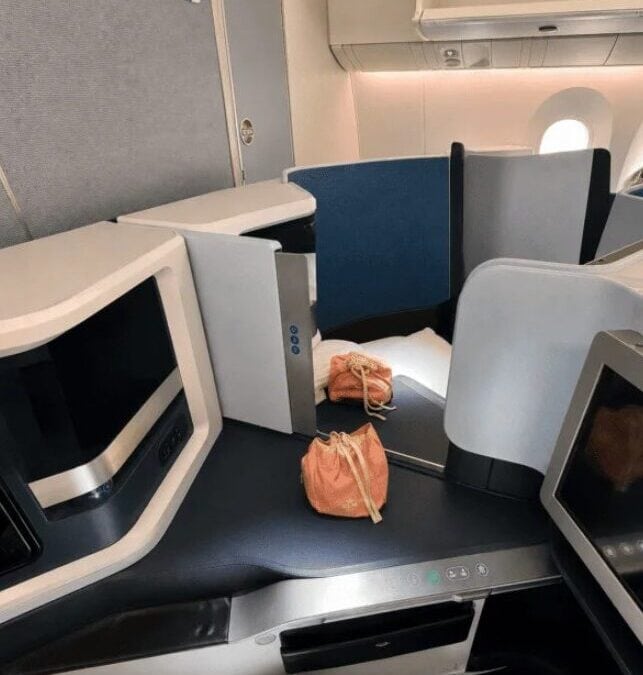
One of our favorite recent travel moments came flying from Amsterdam to Chicago.
At the end of the flight, we were handed the famous Delft Blue miniature houses gifted to KLM business class passengers.
Helpful External Resources
Final Thoughts
The golden age of easy complimentary upgrades may be gone.
But smart travelers still have tremendous opportunities to improve their travel experience.
- focus on value, not just luxury
- use points strategically
- understand how status really works
- prioritize comfort where it matters most
Want Help Planning Smarter Travel?
At Astute Travel Advisors, we help travelers think strategically about points, miles, credit card benefits, and trip planning.